
Water Channel
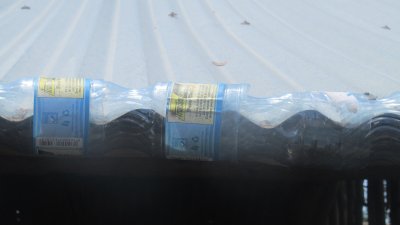
Waste Water Bottles used to make water channels for collecting rain water.
Plastic bottle waste is a critical environmental crisis, with over 500 million bottles consumed annually, contributing heavily to ocean and landfill pollution. These bottles take 450 to 1000 years to decompose, releasing microplastics and toxins into the ecosystem. Recycling and reducing single-use consumption are vital solutions to protect ecosystems and human health. Environmental Impacts Pollution & Marine Life: Plastic bottles are a major component of the 2,000 garbage trucks worth of plastic dumped daily into oceans, lakes, and rivers. Over 1,500 species are affected by ingesting or becoming entangled in plastic. Decomposition & Toxins: Bottles break down into microplastics, which contaminate food, water, and soil. They can take up to 1,000 years to decompose. Carbon Footprint: Plastic production, often from fossil fuels, accounts for 3.4% of global greenhouse gas emissions. Waste Management and Solutions Recycling: While challenging, PET bottles can be recycled into new bottles or other materials. Upcycling & Reuse: Innovative methods include using a PET machine to convert bottles into 3D printer filament or creating items like vases. Reduction: The most effective solution is reducing single-use plastic by using reusable water bottles and opting for sustainable alternatives. Key Statistics Consumption: Over 500 million plastic bottles are consumed worldwide every year. Lifespan: Plastic bottles take 450–1000 years to decompose in landfills. Ocean Impact: 8 million tons of plastic are deposited in the ocean each year.